
The hidden psychological effects of gambling revealed by Chicken Road
The hidden psychological effects of gambling revealed by Chicken Road
The allure of gambling in games
The thrill of gambling often lies in its unpredictability and the adrenaline rush it provides. Games like Chicken Road 2 tap into this excitement by offering a crash-style gambling experience that challenges players’ decision-making skills. As players engage with the game, they are drawn into a world where risk and reward intertwine, making the gameplay both exhilarating and psychologically impactful. You might want to check out the Chicken 2 Road Game to understand this better.
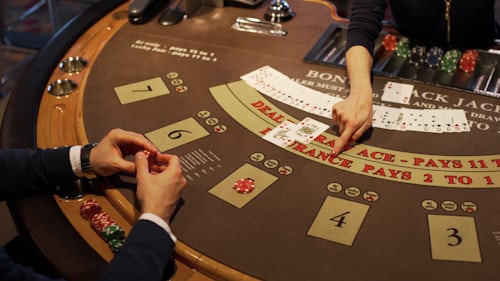
This engagement can lead to a heightened sense of anticipation and emotional investment. The more a player bets and wins, the stronger the bond with the game becomes. This psychological reinforcement can lead to repeated behaviors, ultimately influencing the player’s approach to risk in both the game and real life.
The psychological mechanisms at play
Several psychological factors influence how players perceive and engage with gambling. One significant aspect is the illusion of control, where players believe they can influence the outcomes of their bets. In Chicken Road 2, this is exemplified through gameplay mechanics that encourage strategic decision-making, which can create a false sense of mastery over chance.
Additionally, the variability of rewards in gambling games can trigger the brain’s reward system. This is akin to the effects of intermittent reinforcement, where the unpredictability of wins keeps players returning for more, often leading to compulsive gambling behaviors as players chase the next high.
The impact on decision-making
Gambling games like Chicken Road 2 game can significantly alter players’ decision-making processes. The instant gratification from winning can encourage impulsive behavior, overshadowing rational thinking. Players may find themselves making riskier bets due to the emotional highs associated with previous wins, which can lead to negative financial consequences.
Moreover, the pressure of competition within the game can heighten this effect. Players often compare their performance with others, intensifying the desire to outplay opponents. This social aspect of gambling can further distort decision-making, as players might prioritize the thrill of the game over financial prudence.
The social consequences of gambling
While the excitement of games like Chicken Road 2 demo can be enticing, they can also lead to broader social repercussions. Relationships may be strained as individuals become consumed by their gambling habits, prioritizing gameplay over interpersonal connections. This withdrawal can create an isolating experience, where the player increasingly relies on the game for fulfillment.
Furthermore, the economic impacts of gambling extend beyond individual players. Communities can feel the effects as gambling addiction leads to financial hardship, affecting not just players but their families and local economies. The cycle of gambling can perpetuate poverty and social issues, highlighting the need for awareness and responsible gaming practices.

Exploring Chicken Road 2 and its community
Chicken Road 2 is more than just a game; it fosters a community of thrill-seekers and strategists. Through discussions and shared experiences, players can gain insights into not only effective gameplay but also the psychological aspects of gambling. The game encourages interaction among users, allowing for the exchange of tips and strategies that can enhance the gaming experience.
By understanding the psychological effects highlighted within Chicken Road 2, players can better navigate their gaming habits. The awareness of these hidden effects can lead to a more responsible approach to gambling, ensuring that the thrill of the game remains enjoyable without spiraling into harmful behavior. Engaging with the community offers an additional layer of support for players, reinforcing the importance of responsible gaming and camaraderie.
