
Exploring the psychology behind casino games Why do we gamble
The Allure of Risk and Reward
The thrill of taking risks is a fundamental aspect of human nature, and it plays a vital role in the psychology behind gambling. Casino games, designed to elevate this sense of risk, often create an environment where players can indulge in the excitement of potential rewards. For instance, while considering various forms of gaming entertainment, especially those that embrace technology, many are also exploring sports betting bitcoin, further diversifying their options. The anticipation generated during games, such as slots or poker, taps into our primal instincts, making the prospect of winning feel exhilarating.
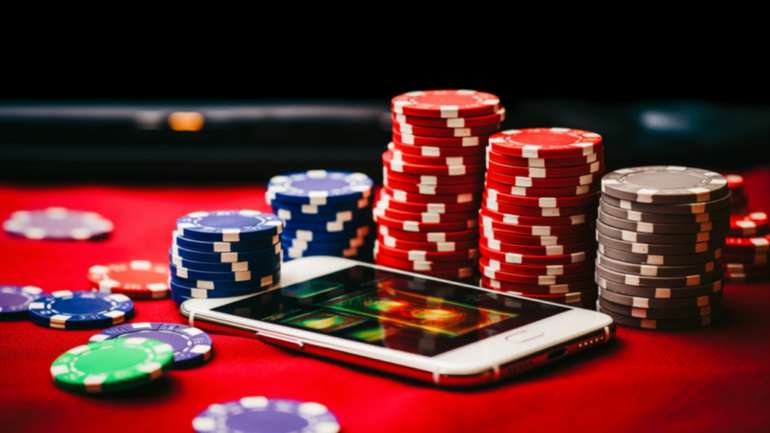
This allure is not purely about financial gain; it encompasses the psychological highs associated with risk-taking. The dopamine release in our brains when we win enhances the thrill, reinforcing the behavior and often leading to a repeat cycle of gambling. Understanding this dynamic helps explain why many individuals feel compelled to return to the casino, seeking that euphoric feeling once again.
The Role of Cognitive Biases
Cognitive biases significantly influence gambling behavior, leading players to make irrational decisions. One prevalent bias is the “gambler’s fallacy,” where individuals believe that past events influence future outcomes in games of chance. For example, a player may assume that because a certain number has not appeared recently in roulette, it is ‘due’ to win, despite the odds remaining unchanged.
These cognitive distortions can lead to a cycle of chasing losses, where gamblers continue to play in hopes of recouping their previous losses. This psychological trap can be detrimental, as it often results in greater financial losses and an increased risk of developing gambling addiction. Recognizing these biases is crucial for understanding the underlying psychology of why people gamble.
The Social Aspects of Gambling
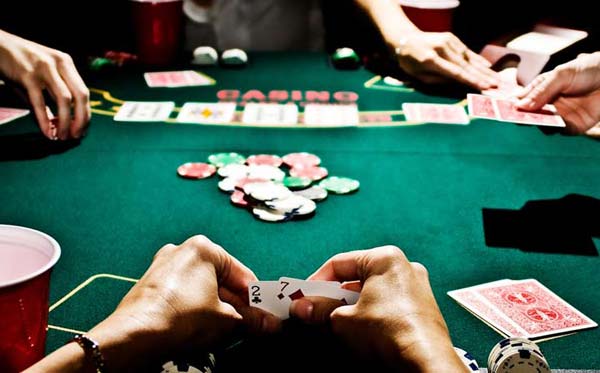
Gambling is often a social activity, engaging individuals in a communal experience. The social environment of a casino can amplify excitement, as the shared experience of winning or losing can foster connections among players. Activities like table games facilitate interaction, allowing gamblers to bond over their shared successes or failures.
Moreover, social reinforcement plays a significant role in encouraging gambling behavior. When individuals see others winning, they may feel compelled to participate, driven by the belief that luck is contagious. This communal aspect of gambling adds another layer to the psychology behind why people are drawn to casinos, making it not just a solitary pursuit but a social phenomenon.
The Escape from Reality
For many, gambling serves as a means of escape from everyday life. The immersive experience provided by casinos, with their vibrant lights and sounds, can create a temporary refuge from stress and anxiety. This escapism is particularly appealing to individuals facing challenges in their personal or professional lives, leading them to seek solace in games of chance.
The allure of losing oneself in a world of uncertainty and excitement can be powerful, providing relief from mundane realities. However, while this escape may offer temporary respite, it can also lead to harmful patterns of behavior when individuals use gambling as their primary coping mechanism. Understanding this psychological aspect is essential in grasping the complex reasons behind gambling behavior.
Understanding the Importance of Responsible Gambling
As we explore the psychology behind gambling, it becomes increasingly important to emphasize the need for responsible gambling practices. Awareness of the psychological triggers and biases that drive individuals to gamble can empower players to make informed decisions. Resources and support systems should be in place to assist those who may be struggling with their gambling habits.
Ultimately, the conversation around gambling should focus on education and prevention. By acknowledging the psychological aspects involved and promoting a healthier relationship with gambling, individuals can enjoy the thrill without falling prey to addiction. Engaging with platforms that prioritize user security and provide guidance on responsible gambling can help ensure a safer experience for all participants.
