
Exploring the fascinating evolution of casinos through the ages
Exploring the fascinating evolution of casinos through the ages
The Origins of Casinos
The concept of gambling can be traced back thousands of years, with evidence of games of chance dating as far as ancient China, where rudimentary gambling devices were crafted from bamboo. These early forms of gambling laid the foundation for what we now recognize as casinos. The Romans also embraced gambling, incorporating it into their culture with various betting games, which were often played during festivals and celebrations. Today, the rise of btc gambling sites highlights how gaming has evolved to include digital platforms.

As societies evolved, so too did the places where these games were played. The first official casino, the Casino di Venezia, opened in Italy in 1638, marking a pivotal moment in gambling history. This establishment offered a regulated environment for gambling, setting the stage for the development of modern casinos.
The Rise of the Casino Culture
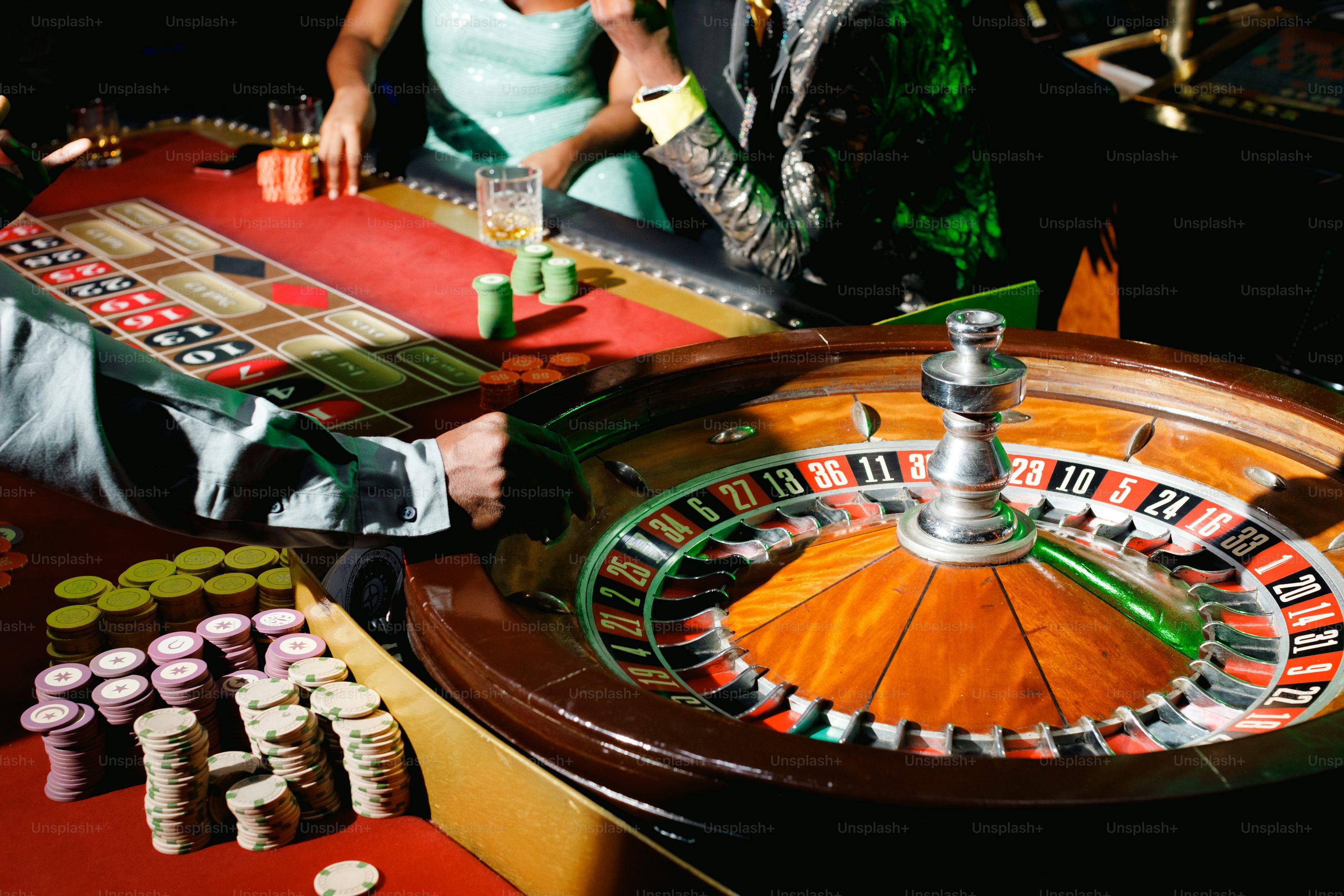
By the 18th century, casinos began to flourish throughout Europe, particularly in France. The lavishness of these establishments attracted the elite and created a new social scene centered around gaming and entertainment. This era witnessed the introduction of many classic games that are still popular today, such as roulette and baccarat, further solidifying the casino as a staple of leisure and luxury.
Casinos soon became synonymous with opulence and glamour, drawing in patrons from all walks of life. The blend of architecture, art, and entertainment transformed these venues into cultural landmarks, making them integral to the cities in which they operated. The allure of winning money, combined with the social aspects of gambling, contributed to the widespread popularity of casinos across Europe.
The American Casino Boom
The 20th century brought significant changes to the casino landscape, especially in the United States. The establishment of Las Vegas as a gambling hub in the 1940s marked a revolutionary shift. Las Vegas casinos introduced large-scale entertainment offerings, including shows, fine dining, and lavish accommodations, transforming the gambling experience into a multifaceted entertainment destination.
As gambling spread throughout the U.S., several states legalized casinos, leading to a boom in the industry. This period saw the rise of iconic casinos such as The Mirage and Bellagio, known for their elaborate themes and attractions. The cultural phenomenon of “gaming” began to permeate American society, setting the stage for a new era in entertainment.
The Impact of Technology on Casinos
In recent decades, technology has revolutionized the casino industry. The introduction of online gambling platforms has dramatically changed how players engage with casino games. Online casinos offer the convenience of playing from home, allowing for a broader audience to participate in the gaming experience.
Additionally, advancements in technology have enhanced the in-person casino experience. The implementation of electronic gaming machines, virtual reality, and mobile gaming applications has attracted younger generations, ensuring that the industry remains vibrant and relevant. As technology continues to evolve, it promises to shape the future of casinos in ways that are yet to be fully realized.
Discovering the Future of Casinos
As we explore the fascinating evolution of casinos, it becomes clear that they are much more than mere gambling venues. They have adapted to societal changes and technological advancements, ensuring their place in modern culture. The future of casinos seems promising, with innovations paving the way for more immersive and engaging experiences for players.
For those interested in this dynamic landscape, various resources are available to navigate the ever-evolving world of casinos. From online platforms that offer insights into the latest gaming trends to guides on responsible gambling, the information accessible today empowers players to make informed decisions in a rapidly changing environment.
